
Preparation
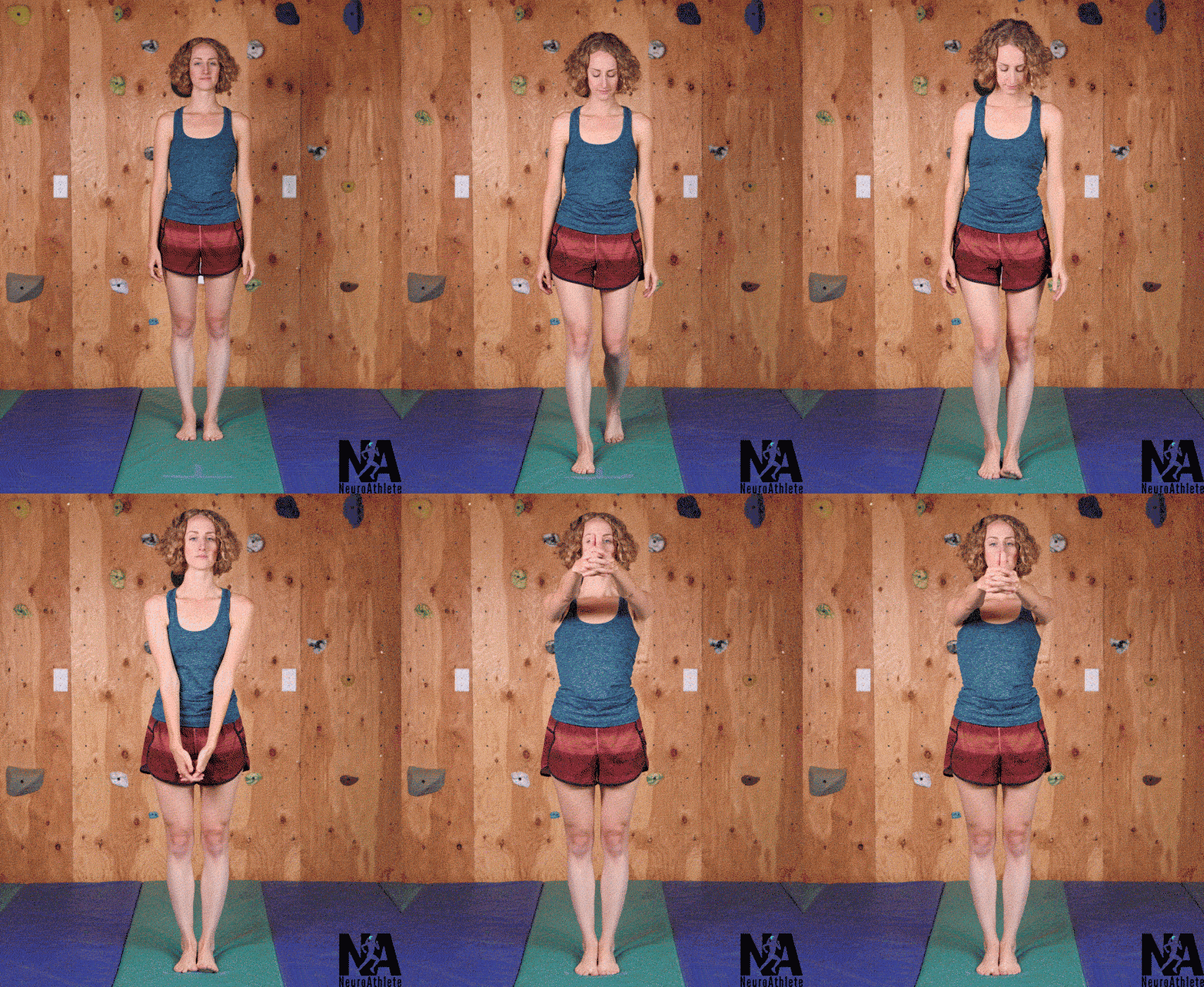
- Find a spot on the floor that you can return to repeatedly and use tape, a floor board, a carpet stain, etc. to make sure you can return to the same spot and orientation for every assessment.
- Perform the assessment, rotating to just one side
- Move at moderate speed with minimal tension, until you reach a point where you can hold the position for at least 2 seconds.
- Note where you are pointing – perhaps a landmark on the wall or in the distance.
- Do 2-3 more rotations until you are consistently pointing to the same spot each time.
- Note: At this point, we’ve eliminated any assessment variation due to warm-up.
Baseline Assessment
- Stand tall with your feet together with shoes or feet touching.
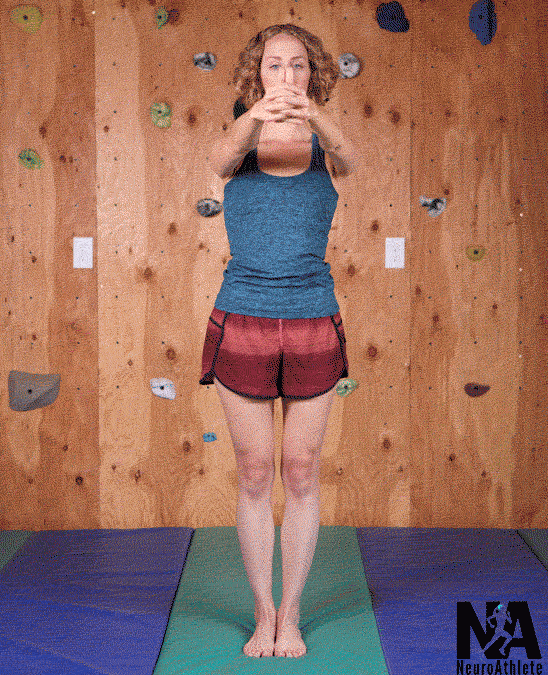
- Put your hands out in front of you, index fingers extended away from you, thumbs up and your remaining fingers interlaced.
- Your elbows should be locked. It should feel like you are pointing a gun at something in front of you with the space between the tops of your thumbs as the site.
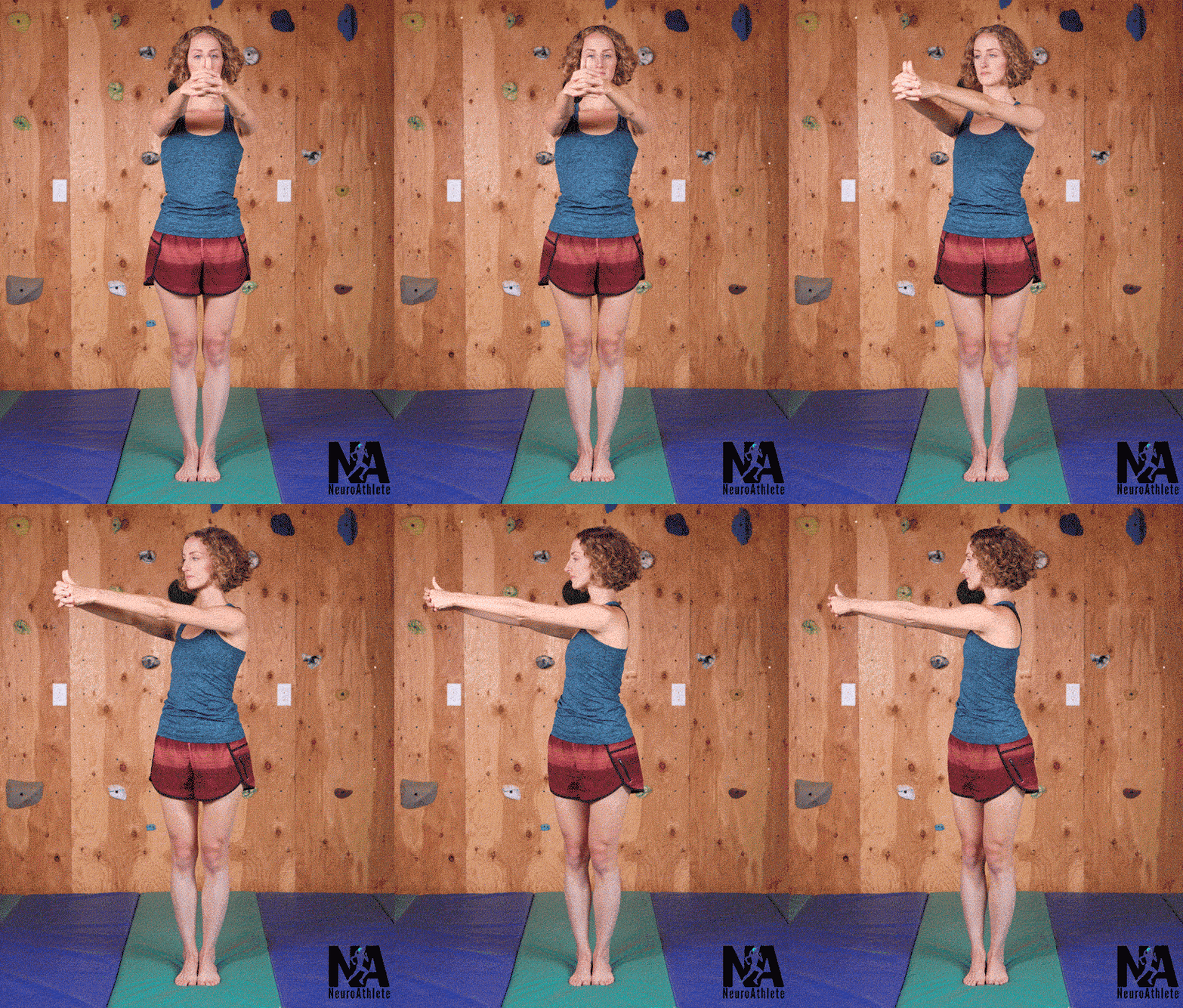
- Without moving your feet (no shifting or lifting) rotate your full body to the side of your choice.
- The relationship of your head, hands and shoulders should not change as you move – i.e., you should keep sighting over your thumbs and your elbows should not bend.
- Move at moderate speed with minimal tension, until you reach a point where you can hold the position for at least 2 seconds.
- Note where you are pointing – perhaps a landmark on the wall or in the distance.
- The spot where you are pointing is your assessment result.
Reassess
- Repeat the assessment rotating to the same side as your prior assessments.
- Note where you are pointing relative to your baseline assessment.
- Rotate more = Better
- Rotate less = Worse
- No change = Same
- Significantly more = Much better
- Significantly less = Much worse